
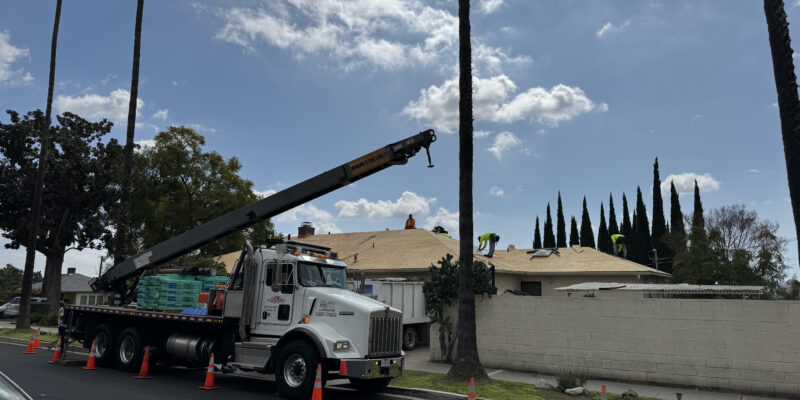
synthetic roofing Southern California

The Evolution of Roofing: From Asphalt Shingles to Synthetic Options in Southern California

Ten years ago, the conversation about residential roofing in Southern California was short: you picked asphalt shingles, and you picked a color. That’s changed. Wildfire building codes, Title 24 cool-roof requirements, and a generation of synthetic products that convincingly mimic slate and cedar shake have made the choice more interesting — and more expensive to get wrong. Here’s an honest, working-roofer’s comparison of your options in 2026, with actual weights, real warranty numbers, and the situations where each material still makes sense.

The four forces pushing SoCal homeowners toward synthetics

  1. Wildfire codes. California Building Code Chapter 7A requires Class A roof assemblies in State Responsibility Areas and in every Very High Fire Hazard Severity Zone. That’s Malibu, Topanga, Calabasas, Hidden Hills, Pacific Palisades, Bel Air, the Glendale and La Cañada foothills, most of Altadena, and a growing list of added zones after recent fire seasons. Asphalt shingles can meet Class A as an assembly, but synthetic slate and shake products are engineered for it as the default.
  2. Title 24 cool-roof provisions. Most premium synthetics are available in CRRC-listed cool-rated versions, often as the standard SKU. Asphalt’s cool-rated options are solid but usually require an upgrade from the base line.
  3. HOA aesthetics. Many SoCal HOAs specify “slate appearance,” “wood shake profile,” or “barrel tile look.” Synthetics deliver the look without the weight, cost, or maintenance of the real materials.
  4. The weight myth, inverted. Homeowners hear “slate is heavy” and assume their house can’t handle it. That’s true for real slate — but modern synthetic slate is lighter than asphalt. More on this below.

The synthetic brands that matter in 2026

The serious players in the SoCal synthetic roofing market are a short list. What follows is a neutral summary — not an endorsement of any specific brand — so you know what you’re evaluating when a contractor names one.

DaVinci Roofscapes

Kansas-based manufacturer of polymer slate and shake. Tiles are single-width or multi-width, Class A fire rating, Class 4 impact rating (the top hail rating, useful for insurance discounts), 50-year limited lifetime residential warranty. Widely installed in LA hillsides and historic neighborhoods where the slate look is required.

Brava Roof Tile

Iowa-based. Composite tile, shake, and Spanish barrel profiles. Class A fire rating, 50-year limited warranty, fully recyclable material. Brava’s Spanish barrel is a strong choice for Mediterranean-style SoCal homes that want the clay-tile look without the weight.

CeDUR

Polyurethane shake, engineered specifically to look like hand-split cedar. Class A fire rating (many natural cedar shakes are not), 50-year warranty. The go-to for WUI-zone homes that want a cedar-shake aesthetic with fire compliance.

F-Wave (Revia)

Asphalt-free polymer shingle that installs like an asphalt shingle. Class A fire, Class 4 impact, 50-year limited warranty. A middle ground for homeowners who want better durability and ratings than asphalt without moving to a full slate or shake profile.

[IKON TO CONFIRM: which of these brands Ikon is certified to install as a preferred or master-elite installer. That certification matters — it usually unlocks longer labor warranties and better price-matching.]

The weight comparison that changes the conversation

Weight is the single most misunderstood factor in the asphalt-vs-synthetic decision. Here’s what the materials actually weigh per square (100 sq ft of roof):

  • Real slate: 900–1,100 lbs/sq
  • Clay tile: 900–1,000 lbs/sq
  • Concrete tile: 600–1,100 lbs/sq
  • Architectural asphalt shingle: 250–350 lbs/sq
  • Synthetic slate (DaVinci and similar): 220–280 lbs/sq
  • Synthetic shake: 140–220 lbs/sq
  • Composite tile (Brava and similar): 250–350 lbs/sq

Read those numbers twice. Synthetic slate and shake are lighter than — or equal to — architectural asphalt shingles. For an older SoCal home with questionable structural margin, switching from real clay tile to synthetic is a major weight reduction, often eliminating the need for structural reinforcement. The old “my house can’t handle slate” concern usually evaporates once the comparison is to synthetic, not real, slate.

Fire ratings and what “Class A” actually means in SoCal

California Building Code Chapter 7A is not negotiable in WUI zones. A Class A roof assembly must resist flame spread, burning brands (embers), and flame penetration through the deck. There are two ways to get there:

  • Class A material: the roofing itself, installed per standard details, is rated Class A. Synthetic slate, shake, composite tile, clay tile, concrete tile, and most metal products are all Class A materials.
  • Class A assembly: the roofing is not Class A on its own, but reaches Class A when installed over a specified underlayment or cap sheet. Most asphalt shingles achieve Class A this way — the installation spec is what gets you to the rating.

In a WUI zone, asphalt shingles with the correct underlayment assembly are code-compliant. But synthetic materials have two practical advantages: they carry Class A as a product, not as an assembly (simpler to document at permit), and several synthetic shakes are explicitly ember-resistant and gap-free in ways that natural cedar shake cannot match. If you’re in a WUI zone and insurance is getting harder to renew, moving to a Class A synthetic product often moves the needle with insurers.

Warranty comparison

Warranties are worth comparing carefully — manufacturer terms differ more than contractors usually disclose:

  • Architectural asphalt (premium line): 30–50 year limited, pro-rated after the first 10 years
  • Synthetic slate / shake: 50-year limited, often with a “lifetime” residential rider
  • F-Wave / composite shingle: 50-year limited
  • Real clay tile: 50–75 year product warranty
  • Real slate: 75–100+ year product warranty (and real-world service life well beyond that)

Separate from the product warranty, the contractor’s labor warranty usually runs 5–25 years. A “master” or “elite” installer for a given synthetic manufacturer will typically unlock the longest available labor warranty — another reason to ask about certifications.

What actually drives the cost of a cool roof in LA

Cool-roof pricing varies more than most homeowners expect, and any contractor who gives you a firm number before walking your roof is guessing. Your project’s cost comes down to a handful of specific factors:

  • Material choice. Cool-rated architectural asphalt shingles sit at the entry level. Cool-rated single-ply membranes like TPO and PVC for low-slope roofs fall in the middle. Cool-rated concrete and clay tile run higher. Cool-rated standing-seam metal is typically the most expensive up front, with a service life to match.
  • Coating vs. full reroof. An elastomeric cool coating over a sound low-slope roof costs a fraction of a full tear-off and replacement. But it’s only an option if the underlying membrane is in good structural shape with no active leaks — coatings are maintenance, not replacement, and they don’t fix a failing substrate.
  • Tear-off layers. One layer of existing shingles costs less to remove than two or three. California code typically requires full tear-off at a reroof anyway, but the labor and disposal scale with what’s up there.
  • Roof size, pitch, and access. Steeper roofs and homes with tight side-yard access take longer to work on safely. Two-story hillside homes cost more per square than single-story homes on a flat lot.
  • Hidden damage. Decking replacement, rafter repair, dry rot around skylights or chimneys — none of it is visible until the old roof comes off. A good estimate will spell out the unit rate for these items so you’re not surprised by a change order.
  • Ventilation and Title 24 compliance. A reroof is the natural moment to bring attic intake/exhaust airflow into spec and document Title 24 compliance. These aren’t large line items, but they move the final number and they matter at resale.
  • Rebates. LADWP (or Burbank Water and Power for Burbank homeowners) cool-roof rebates, manufacturer promotions, and the occasional stackable utility incentive can offset a meaningful portion of the project cost. We’ll tell you on the first visit which programs your home qualifies for.

For a real number on your specific home, the only honest answer is an on-site estimate. We’ll walk the roof, pull measurements, check the attic and ventilation, and send you a written scope with a firm price on it — free of charge and no pressure. Call us today for a free estimate.

When asphalt shingles still make sense

Asphalt shingles aren’t dead, and we still install a lot of them. They’re the right call when:

  • Budget is the binding constraint.
  • You’re planning to sell within 5–10 years and won’t recover the premium.
  • Your home is not in a WUI zone, so the fire-rating advantage is marginal.
  • Your HOA requires the shingle look and synthetic shingles aren’t yet approved.

If any of those describe you, a cool-rated architectural asphalt shingle from a major manufacturer (GAF Timberline CS, CertainTeed Landmark Solaris, Owens Corning Duration Premium) is a solid, code-compliant choice.

When synthetic is worth the premium

Conversely, synthetic earns its price in four specific situations:

  • You’re in a WUI zone and want Class A at the product level, not the assembly level.
  • You have an older home where weight is actually a concern and switching from real clay or slate saves structural work.
  • Your HOA specifies a slate or shake appearance and real materials would be prohibitively expensive or heavy.
  • You plan to live in the home 15+ years and want to avoid a second reroof.

Frequently asked questions

Do synthetic roofs fade in the SoCal sun?

The top brands now use UV-stable polymers with through-color pigmentation (color goes through the tile, not painted on the surface). Expect minor fading — typically less than the fading on a standard asphalt shingle over the same period. Most manufacturers warrant against color degradation for the full warranty period.

How are synthetic tiles attached?

Same as their natural counterparts: nails or screws into the deck per manufacturer spec. Most synthetics install faster than the natural materials they imitate — particularly synthetic slate, which doesn’t shatter on impact the way real slate does during handling.

Can I install synthetic over existing?

Usually no. California Title 24 and most manufacturer warranties require a tear-off to the deck so underlayment can be installed correctly. Installing over existing also voids most wildfire assembly ratings.

Do insurance companies discount synthetic roofs?

Many do, particularly for Class 4 impact-rated products. Savings range from 5% to 30% on the homeowner’s premium, with more insurers adding non-renewal relief specifically for WUI-zone homes that upgrade to Class A ember-resistant synthetic systems. Ask your broker before you spec.

Are synthetic roofs recyclable?

Several brands (Brava especially) market full recyclability at end of life. In practice, the recycling infrastructure for polymer roofing is still developing in Southern California. Treat this as a long-term positive but don’t assume curbside recyclability.

A real Ikon job: synthetic slate in the Burbank hills

One of our more illustrative recent projects was a reroof on a 1962 split-level home in the Burbank hills near Sunset Canyon — an area designated a Very High Fire Hazard Severity Zone. The existing roof was original concrete S-tile: heavy, brittle with age, and layered over several generations of aged underlayment. The homeowners had just received a non-renewal notice from their insurance carrier citing the roof’s age and the home’s WUI designation as contributing factors.

Their options were narrow. Real clay tile was structurally acceptable but expensive and slow to source in their chosen profile. Another round of concrete tile brought the same weight, the same brittleness, and the same insurance exposure in another 30 years. Asphalt shingles would have met Class A as an installed assembly but wouldn’t have moved the insurer on ember resistance. We specified DaVinci Bellaforté Slate in Slate Gray — a Class A, Class 4 impact-rated synthetic slate tile that weighs roughly 225 lbs per square compared to the roughly 940 lbs per square of their existing concrete tile.

The weight savings eliminated the structural evaluation their engineer had flagged as a contingency with any tile-weight replacement material. We pulled the Burbank permit, coordinated a WUI-compliant underlayment assembly with Class A ember-resistance documentation, and walked the finished assembly through the city inspector. Two weeks after final inspection, their insurance broker confirmed the carrier had reinstated coverage and applied an impact-resistance discount to the premium. The homeowner’s summary on the day we cleaned up: “It looks like slate, it weighs less than our old shingles, and we’re insured again. Worth every dollar.”

How to decide

If you’re a SoCal homeowner weighing asphalt vs. synthetic, the decision usually reduces to three questions: Are you in a WUI zone? How long will you own this home? And what does your HOA require? If the answers are “yes, 15+ years, slate look” — go synthetic. If the answers are “no, less than 10 years, any look” — a cool-rated architectural asphalt is the right call. Everything in between is a judgment call where a licensed contractor should walk the roof with you and model the total-cost-of-ownership.

Ikon Roofing installs both. If you’d like an honest assessment of which category your home falls into — including a structural look at whether weight or fire-rating concerns apply in your specific WUI zone designation — we’re happy to come out. Call us today for a free estimate.
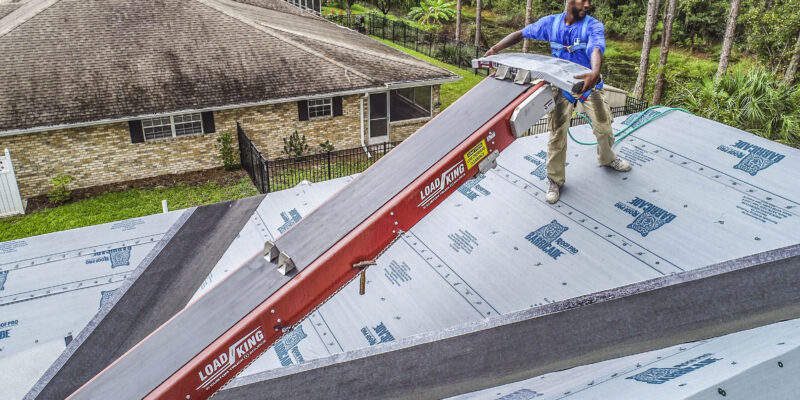
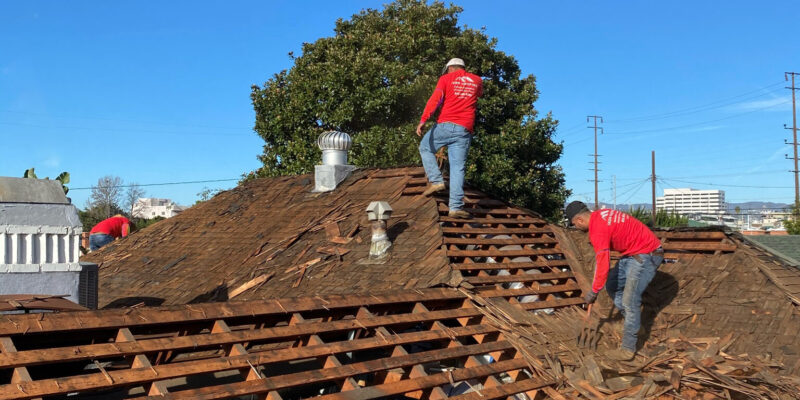
roofing materials Los Angeles homes

Top Roofing Materials for Los Angeles Homes

When it comes to roofing materials for Los Angeles homes, the choices can be overwhelming. The diverse climate and architectural styles in the city make it essential to select a roofing material that not only suits your aesthetic preferences but also performs well under local weather conditions. In this blog post, we’ll explore some of the top roofing materials ideal for Los Angeles homes.

1. Asphalt Shingles:

Asphalt shingles are a popular choice for roofing in Los Angeles due to their affordability and versatility. They come in various styles and colors, making it easy to match them with different architectural designs. Asphalt shingles also offer good durability and are relatively low-maintenance. They can withstand the occasional rain and moderate temperatures found in Los Angeles.

2. Concrete Tile:

Concrete tiles are an excellent choice for homes in Los Angeles, providing a timeless and elegant appearance. They are durable, fire-resistant, and can endure the intense sun without fading or deteriorating. Concrete tiles offer excellent insulation, helping to keep your home cooler during the hot summers.

3. Clay Tile:

Clay tiles are known for their beautiful, Mediterranean-style look that complements many homes in Los Angeles. They are extremely durable, fire-resistant, and have excellent insulation properties. Clay tiles can withstand the heat and UV radiation typical of Southern California.

4. Metal Roofing:

Metal roofing, including options like standing seam or metal shingles, is gaining popularity in Los Angeles. Metal roofs are highly durable, energy-efficient, and resistant to both the sun’s intense rays and rain. They come in various styles and colors, allowing homeowners to achieve a modern or traditional look.

5. Wood Shakes or Shingles:

Wood shakes and shingles offer a unique and natural aesthetic that blends well with some Los Angeles home designs. While they require proper maintenance to prevent issues like rot and pests, they can provide excellent insulation and a charming appearance.

6. Solar Tiles:

For homeowners interested in renewable energy and sustainability, solar tiles are an innovative option. These tiles are designed to harness solar energy while functioning as roofing material. They are a great choice in sunny Los Angeles, as they can help you save on energy costs and reduce your carbon footprint.

7. TPO (Thermoplastic Olefin) Roofing:

TPO roofing is a single-ply membrane often used in commercial roofing but increasingly popular for residential applications in Los Angeles. It offers excellent energy efficiency and reflects sunlight, keeping your home cooler in the summer. TPO is also resistant to UV rays and durable.

8. Green Roofing:

Green roofs are an environmentally friendly option that involves planting vegetation on your roof. While this choice requires careful planning and maintenance, it can provide natural insulation and reduce stormwater runoff, contributing to a more sustainable Los Angeles.

Before choosing a roofing material for your Los Angeles home, consider factors such as climate, maintenance requirements, budget, and aesthetics. Consulting with a local roofing professional can also help you make an informed decision based on your specific needs. Ultimately, selecting the right roofing material will not only enhance the beauty of your home but also ensure long-lasting protection against the unique weather conditions of Southern California.

Ikon Roofing team — free roof estimates in Burbank CA

The Benefits of Cool Roofing in Los Angeles

If you own a home in Los Angeles and you’re thinking about a reroof, you’ve probably heard the phrase “cool roof” thrown around by contractors, utility reps, and the state of California itself. Most articles about cool roofing read like marketing brochures — all benefits, no specifics. This one is different. I’m a licensed roofer who has installed cool roofs on homes from the Venice coastline to the inland San Fernando Valley. Here is what actually matters about cool roofing in LA, what the law says, and what it costs.

What a “cool roof” actually is (and isn’t)

A cool roof is any roof with materials rated to reflect more sunlight and release more absorbed heat than a standard roof. It is not a single product or a single color. Cool versions of asphalt shingles, concrete tiles, clay tiles, metal, TPO, PVC, and coatings all exist. The thing they have in common is a listing on the Cool Roof Rating Council directory (coolroofs.org), which publishes two numbers for every rated product:

  • Solar Reflectance (SR) — how much of the sun’s energy the surface bounces back rather than absorbing. Scale of 0 to 1. Higher is better.
  • Thermal Emittance (TE) — how readily the surface releases any heat it did absorb. Also 0 to 1. Higher is better.

Those two numbers combine into a third, the Solar Reflectance Index (SRI). California code and most utility rebates reference either the SR/TE pair or the SRI — and, importantly, they only count products that appear on the CRRC directory. If a contractor tells you a product is “cool-rated” but can’t give you a CRRC product ID, it doesn’t qualify.

Why LA’s specific climate makes cool roofing a better fit here than almost anywhere

Los Angeles County spans five of California’s 16 Title 24 climate zones:

  • Zone 6 — coastal strip (Santa Monica, Venice, parts of the Westside)
  • Zone 8 — central LA basin (most of the city proper)
  • Zone 9 — inland valleys (San Fernando Valley, San Gabriel Valley, most of the Pasadena/Glendale belt)
  • Zone 14 — high desert (Santa Clarita north, Lancaster, Palmdale)
  • Zone 16 — mountains (Big Bear, parts of Angeles National Forest edges)

Inland zones 9 and 14 are where cool roofs earn their keep the fastest. A black asphalt shingle roof in Woodland Hills or Pasadena routinely hits surface temperatures of 160–180 °F on a July afternoon. The attic below it can push 130–140 °F. A cool-rated roof on the same house typically runs 40–60 °F cooler at the surface and drops attic temperatures by 15–25 °F. That difference is what translates to a quieter, cheaper AC.

LA also has the urban heat island problem to deal with. Paved, dense neighborhoods run several degrees warmer than outlying areas because dark surfaces absorb and re-radiate heat. Cool roofs are one of the only fixes a single homeowner can make that measurably cools their own property — and, scaled across a neighborhood, cools the street.

California Title 24: when a cool roof is required vs. when it’s just recommended

Title 24, Part 6 is California’s Building Energy Efficiency Standards. The 2022 version is in force as of January 2023 and governs new construction and most reroofs. The short version for LA homeowners:

  • Low-slope roofs (flat or near-flat) on existing homes: a cool-rated product is required under the prescriptive compliance path in most LA climate zones when you’re replacing more than 50% of the roof area. This includes the flat sections over attached patios, room additions, and many mid-century homes in the basin.
  • Steep-slope roofs (the tilted kind most homes have): a cool roof is not always prescriptively required in coastal zones 6 and 8, but it is almost always the easiest performance-compliance path. In zones 9, 14, and 16 it’s the standard spec. If your roofer is pulling a permit with LADBS, they’ll run a Title 24 compliance calculation — a cool-rated product is usually how that math works out.
  • Repairs under the 50% threshold: Title 24 cool-roof rules don’t trigger. You can patch a small section with whatever matches.

The practical upshot: if you are reroofing more than half your roof in Los Angeles County, you should plan on a cool-rated material. Not because someone is forcing you to, but because it’s the path of least resistance to a permit approval.

LADWP cool roof rebates (and what else might be available)

LADWP has run a Cool Roof Rebate for residential customers for several years. The program pays per square foot of qualifying cool roof installed on an existing home — historically in the ballpark of $0.20–$0.30 per sq ft for single-family homes, with product eligibility tied to CRRC listing and minimum SR/SRI thresholds. Rebate amounts, caps, and eligibility rules change periodically, so verify the current program at

ladwp.com/coolroofs before quoting a number to a customer.

Other programs worth checking before your install:

  • SoCalGas and SCE occasionally offer energy-efficiency rebates that stack with a cool roof install, especially when paired with attic insulation upgrades.
  • The federal Energy Efficient Home Improvement Credit (IRS Section 25C) can cover up to 30% of qualifying improvements, capped annually. Cool roofing alone isn’t specifically called out, but paired with qualifying insulation work it may apply — consult a tax professional.
  • Some LA homeowners qualify for PACE financing (HERO, Ygrene successors) that amortize the cool roof cost onto property taxes.

What a cool roof actually feels like in your house

Three things change noticeably:

  1. Your AC runs less. Most of our Pasadena and Encino customers report cycle-time reductions of 20–35% in peak summer after a cool-rated reroof paired with adequate attic ventilation. Actual savings depend on your existing insulation, duct location, and AC age.
  2. Your upstairs rooms stop being unusable. In two-story LA homes with vaulted ceilings, the upstairs is often 8–12 °F hotter than the downstairs in August. A cool roof typically cuts that differential in half.
  3. Your utility bills drop. A realistic range for a 2,000 sq ft single-family home in an inland LA zone is $200–$600 in annual AC savings — not the “$2,000 a year” you’ll sometimes see advertised. Pair the roof with attic insulation and you get closer to the high end.

What actually drives the cost of a cool roof in LA

Cool-roof pricing varies more than most homeowners expect, and any contractor who gives you a firm number before walking your roof is guessing. Your project’s cost comes down to a handful of specific factors:

  • Material choice. Cool-rated architectural asphalt shingles sit at the entry level. Cool-rated single-ply membranes like TPO and PVC for low-slope roofs fall in the middle. Cool-rated concrete and clay tile run higher. Cool-rated standing-seam metal is typically the most expensive up front, with a service life to match.
  • Coating vs. full reroof. An elastomeric cool coating over a sound low-slope roof costs a fraction of a full tear-off and replacement. But it’s only an option if the underlying membrane is in good structural shape with no active leaks — coatings are maintenance, not replacement, and they don’t fix a failing substrate.
  • Tear-off layers. One layer of existing shingles costs less to remove than two or three. California code typically requires full tear-off at a reroof anyway, but the labor and disposal scale with what’s up there.
  • Roof size, pitch, and access. Steeper roofs and homes with tight side-yard access take longer to work on safely. Two-story hillside homes cost more per square than single-story homes on a flat lot.
  • Hidden damage. Decking replacement, rafter repair, dry rot around skylights or chimneys — none of it is visible until the old roof comes off. A good estimate will spell out the unit rate for these items so you’re not surprised by a change order.
  • Ventilation and Title 24 compliance. A reroof is the natural moment to bring attic intake/exhaust airflow into spec and document Title 24 compliance. These aren’t large line items, but they move the final number and they matter at resale.
  • Rebates. LADWP (or Burbank Water and Power for Burbank homeowners) cool-roof rebates, manufacturer promotions, and the occasional stackable utility incentive can offset a meaningful portion of the project cost. We’ll tell you on the first visit which programs your home qualifies for.

For a real number on your specific home, the only honest answer is an on-site estimate. We’ll walk the roof, pull measurements, check the attic and ventilation, and send you a written scope with a firm price on it — free of charge and no pressure. Call us today for a free estimate. 

A real Ikon job: a Magnolia Park cool-roof reroof

Earlier this year we reroofed an 1,850 sq ft single-story ranch home in Burbank’s Magnolia Park neighborhood. The homeowners had lived in the house since 2008, and the original 3-tab asphalt shingles were well past their service life — visible granule loss, curling at the edges, and a living-room ceiling that hit 82 °F every afternoon in August with the AC running nearly nonstop.

We pulled a Burbank Building and Safety permit, tore off the old shingles and a layer of 30-year-old underlayment, replaced two sections of sheathing that had minor dry rot, and installed Owens Corning cool-rated architectural shingles in a Forest Brown color that fit the block. We also upgraded the attic ventilation — the original box vents weren’t close to meeting modern intake/exhaust ratios for a roof of that size.

Before the reroof, we logged an attic temperature peak of 138 °F on a 96 °F day in late July. Three weeks after the install, on a comparable 94 °F day, the attic peaked at 109 °F — a 29-degree drop. The homeowner’s September Burbank Water and Power bill came in 31% lower than the same month the prior year, and they qualified for BWP’s residential cool-roof rebate, which offset roughly $0.20 per square foot of the upgrade cost over a standard shingle. Their note to us read, in part: “The upstairs bedroom is finally usable in the afternoon. We should have done this five years ago.”

Frequently asked questions

Does a cool roof have to be white?

No. White and light colors reflect best, but there are now cool-rated shingles and tiles in a wide range of colors — including dark browns, grays, and terracotta — that use specialized pigments to reflect infrared light while looking conventional. If you live in an HOA that requires a specific shingle color or a historic-overlay district that requires a specific tile look, there is almost certainly a cool-rated version that complies.

Will a cool roof last longer than a standard roof?

Usually yes, modestly. Lower peak surface temperatures mean less thermal cycling, which means slower adhesive breakdown, less shingle cracking, and less tile expansion stress. Expect 10–20% longer real-world service life from the same underlying material in a cool-rated color vs. a dark color.

Does it still work on a north-facing or heavily shaded roof?

The benefit is smaller but still real. Most LA roofs get significant sun on multiple planes over the course of the day, and Title 24 compliance is based on the whole-roof assembly — so using cool products on the shaded north slope doesn’t penalize you.

Can I skip the reroof and just add a cool roof coating?

Only on a low-slope roof (typically less than 2:12 pitch) that is structurally sound with no active leaks. Coatings are maintenance, not replacement — they don’t fix a failing substrate. Most sloped shingle and tile roofs in LA are not candidates for coatings.

Will Title 24 force me to replace the whole roof when I only wanted a patch?

No. Title 24’s cool-roof requirements kick in when you cross the 50% replacement threshold. Under that, patch away with matching material.

Ready to talk about a cool roof for your LA home?

Ikon Roofing is a C-39 licensed contractor serving Los Angeles and the surrounding valleys. We pull LADBS permits on every reroof, run Title 24 compliance calculations as part of the estimate, and help homeowners apply for LADWP rebates where they qualify. If you’d like a free on-site assessment — including a look at your current attic temperatures and ventilation — we’re happy to come out. Call us today for a free estimate.